People Core Faculty


Ludmilla Aristilde
Associate Professor of Civil and Environmental Engineering, (by courtesy) Chemical and Biological Engineering, and (by courtesy), Earth and Planetary Sciences
Research areas: Material Systems, Ecosystems, Urban Systems, Human Systems
Oluwaseyi Balogun
Associate Professor of Civil and Environmental Engineering and Mechanical Engineering
Research areas: Material Systems, Ecosystems, Urban Systems
Zdeněk Bažant
McCormick Institute Professor, Walter P. Murphy Professor of Civil and Environmental Engineering, and (by courtesy) Mechanical Engineering and Material Science and Engineering
Research areas: Material Systems, Urban Systems

Neal Blair
Professor of Civil and Environmental Engineering and Earth and Planetary Sciences
Research areas: Material Systems, Ecosystems
Laurence Booth
Richard C. Halpern/Rise International Distinguished Architect in Residence
Clinical Professor
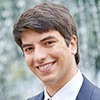
Giuseppe Buscarnera
Professor of Civil and Environmental Engineering
Director of Graduate Studies
Research areas: Material Systems, Urban Systems

Jian Cao
Associate Vice President for Research
Cardiss Collins Professor of Mechanical Engineering and (by courtesy) Civil and Environmental Engineering and Materials Science and Engineering
Director, Northwestern Initiative for Manufacturing Science and Innovation (NIMSI)
Research area: Urban Systems


Giorgia Chinazzo
Assistant Professor of Instruction
Director of the Architectural Engineering and Design Program

Gianluca Cusatis
Professor of Civil and Environmental Engineering and (by courtesy) Mechanical Engineering
Research areas: Material Systems, Urban Systems
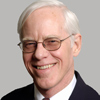
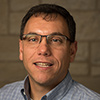
Pablo Durango-Cohen
Associate Professor of Civil and Environmental Engineering
Research areas: Urban Systems, Human Systems
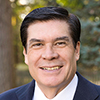
Horacio Espinosa
James N. and Nancy J. Farley Professor in Manufacturing & Entrepreneurship
Director, Theoretical and Applied Mechanics Program
Director of the Institute for Cellular Engineering Technologies
Professor of Mechanical Engineering and (by courtesy) Biomedical Engineering and Civil and Environmental Engineering

Jean-François Gaillard
Professor of Civil and Environmental Engineering and (by courtesy) Earth and Planetary Sciences
Research areas: Material Systems, Ecosystems, Urban Systems, Human Systems


Kimberly Gray
Roxelyn and Richard Pepper Family Chair in Civil and Environmental Engineering
Professor of Civil and Environmental Engineering and (by courtesy) Chemical and Biological Engineering
Research areas: Material Systems, Ecosystems, Urban Systems, Human Systems
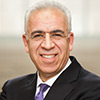
Ahmad Hadavi
Clinical Professor, Department of Civil and Environmental Engineering
Deputy Director of the Master of Project Management Program

Erica Hartmann
Associate Professor of Civil and Environmental Engineering
Research areas: Material Systems, Ecosystems, Human Systems

Daniel Horton
Assistant Professor, of Earth and Planetary Sciences and (by courtesy) Civil and Environmental Engineering
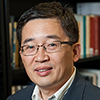
Yonggang Huang
Jan and Marcia Achenbach Professorship in Mechanical Engineering, Civil and Environmental Engineering, and (by courtesy) Materials Science and Engineering
Research area: Material Systems
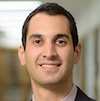
Sinan Keten
Jerome B. Cohen Professor of Engineering
Professor of Mechanical Engineering and Civil and Environmental Engineering and (by courtesy) Biomedical Engineering
Associate Chair of Mechanical Engineering
Research areas: Material Systems, Ecosystems, Urban Systems

Wing Liu
Walter P. Murphy Professor of Mechanical Engineering & Civil and Environmental Engineering and (by courtesy) Materials Science and Engineering

Hani Mahmassani
Professor of Civil and Environmental and (by courtesy) Industrial Engineering and Management Sciences Engineering
William A. Patterson Distinguished Chair in Transportation
Research areas: Urban Systems, Human Systems

Luisa Marcelino
Research Assistant Professor of Civil and Environmental Engineering
Lecturer of Civil and Environmental Engineering
Research area: Ecosystems
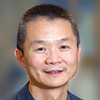
Yu (Marco) Nie
Professor of Civil and Environmental Engineering
Research areas: Urban Systems, Human Systems
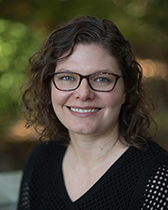
Magdalena Osburn
Assistant Professor, of Earth and Planetary Sciences and (by courtesy) Civil and Environmental Engineering

Aaron Packman
Professor of Civil and Environmental Engineering and (by courtesy) Mechanical Engineering and Chemical and Biological Engineering
Research areas: Material Systems, Ecosystems, Urban Systems, Human Systems

Alessandro Rotta Loria
Louis Berger Assistant Professor of Civil and Environmental Engineering
Research areas: Material Systems, Urban Systems

John Rudnicki
Professor of Civil and Environmental Engineering and Mechanical Engineering
Research areas: Material Systems, Urban Systems

Amanda Stathopoulos
William Patterson Junior Professor
Associate Professor of Civil and Environmental Engineering
Research areas: Urban Systems, Human Systems

George Wells
Associate Professor of Civil and Environmental Engineering
Research areas: Material Systems, Ecosystems, Urban Systems, Human Systems
Hyejin Youn
Donald P. Jacobs Scholar; Assistant Professor, of Management & Organizations and (by courtesy) Civil and Environmental Engineering
Research area: Human Systems